Wednesday, 11 December 2024

Limit Switch Box in India

Limit switch boxes are integral components in automated systems, primarily used to control the movement of machinery by detecting the presence or absence of an object or activating limit switches. In India’s rapidly evolving industrial landscape, the limit switch box plays a crucial role in enhancing the efficiency and safety of machinery operations. This article delves into the importance, applications, and benefits of limit switch boxes in India, providing insights for industries looking to optimize their operations.

Understanding 

A limit switch box is a protective enclosure that houses limit switches. These switches are electromechanical devices that are operated by the physical presence or movement of an object. When an object reaches a predetermined position, the limit switch is activated, sending signals to control other components in the system, such as motors or control panels. This mechanism is essential for ensuring safety, preventing machinery from overextending or functioning improperly, and facilitating automation processes.
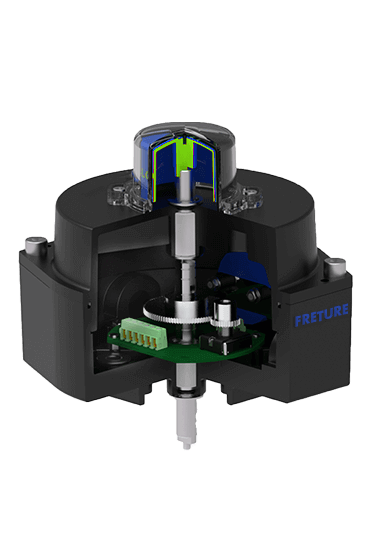
Limit Switch Box in India

Applications 

Limit switch boxes are employed across various sectors in India, serving diverse applications, including:

  1. Manufacturing: In manufacturing plants, they are used to monitor equipment positions, ensuring machines operate within safe limits. This application helps prevent equipment damage and increases operational efficiency.

  2. Material Handling: In warehouses and distribution centers, limit switches are critical for controlling conveyor belts and lifts. They ensure that materials are loaded and unloaded correctly, reducing the risk of accidents and improving workflow.

  3. Industrial Automation: They are integral to automated systems in industries like automotive, textiles, and food processing. They facilitate precise control over machinery movements, leading to enhanced productivity and reduced labor costs.

  4. Robotics: In robotic applications, limit switches help define movement boundaries and safe operating conditions. This is vital for the safety of both the machinery and the personnel working in proximity.

Types 

They come in various designs, tailored to different environments and requirements. Some common types include:

  • Standard Limit Switch Boxes: Suitable for general applications, these boxes protect standard limit switches from dust and moisture.

  • Explosion-Proof Limit Switch Boxes: In industries dealing with hazardous materials, explosion-proof boxes are essential. These enclosures are designed to contain sparks and prevent ignitions in volatile environments.

  • Weatherproof Limit Switch Boxes: Designed for outdoor use, these boxes protect switches from harsh weather conditions, including rain, dust, and extreme temperatures.

Advantages 

Employing them in industrial settings offers several benefits:

  1. Safety Enhancement: By controlling machinery movement, they significantly reduce the risks of accidents and equipment failures, ensuring a safer working environment.

  2. Increased Efficiency: The automation of machinery operations leads to faster production cycles and optimized workflow, resulting in higher productivity levels.

  3. Reduced Downtime: With reliable limit switch boxes in place, unexpected machine failures can be minimized, leading to less downtime and more consistent operational output.

  4. Scalability: They are adaptable and can be integrated into existing systems, making it easier for businesses to scale operations as needed.

The Market in India

The demand for limit switch boxes in India has been growing steadily, driven by the country’s push towards industrial automation and modernization. Several Indian manufacturers and suppliers are responding to this demand, offering a variety of limit switch boxes that meet international standards. The increase in infrastructure projects, automotive manufacturing, and the expansion of e-commerce logistics play pivotal roles in fuelings this growth.

Conclusion

Freture Techno is leading  Limit Switch Boxes manufacturer in India. Our Limit swithc Boxes are indispensable components in the machinery and automation sectors in India. Their ability to enhance safety, efficiency, and productivity makes them a key element in modern industrial applications. As Indian industries continue to advance towards automation, the role of limit switch boxes will undoubtedly become more significant. Businesses seeking to optimize their operations should consider investing in high-quality limit switch boxes tailored to their specific needs, ensuring they stay competitive in an increasingly automated market. By embracing these technologies, industries in India can pave the way for a more productive and safer future.

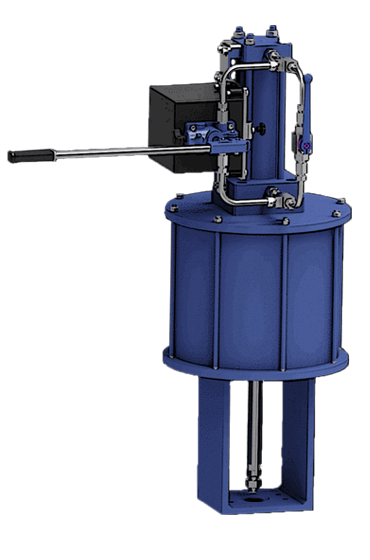
Electric Rotary Actuator Manufacturers A Comprehensive Overview

In today's rapidly evolving industrial landscape, precision and efficiency are paramount. Electric rotary actuators are critical components for achieving these objectives across various applications, from automation in manufacturing to advanced robotics and aerospace. This article delves into the world of electric rotary actuator manufacturers, exploring the industry dynamics, key players, and factors influencing the market.

Understanding Electric Rotary Actuators

Electric rotary actuators convert electrical energy into rotational motion. Unlike their pneumatic or hydraulic counterparts, they offer several advantages, including easier integration with electronic controls, reduced maintenance, and enhanced energy efficiency. These actuators are indispensable in applications where precise positioning and control are required, such as robotic arms, valve control, and satellite positioning systems.

Key Benefits of Electric Rotary Actuators

  1. Precision Control: Electric rotary actuators provide accurate and repeatable positioning, making them suitable for applications that demand high precision.

  2. Energy Efficiency: Compared to pneumatic and hydraulic systems, electric actuators consume less energy, leading to lower operational costs.

  3. Ease of Integration: Their compatibility with advanced control systems allows for smoother integration into existing automation frameworks.

  4. Reduced Maintenance: With fewer moving parts and no need for fluid maintenance, electric rotary actuators generally require less upkeep.

  5. Environmentally Friendly: These actuators produce less noise and emissions compared to traditional hydraulic or pneumatic systems, making them a greener choice for industries.

Market Dynamics and Trends

The global market for electric rotary actuators is witnessing robust growth, driven by several factors:

  1. Increasing Automation: The manufacturing sector's shift towards automation is a significant driver. As industries seek to enhance productivity and reduce labor costs, the demand for electric rotary actuators is on the rise.

  2. Technological Advancements: Innovations in electronics and materials are leading to the development of more compact, efficient, and powerful actuators. Manufacturers are investing in R&D to create smarter and more reliable products.

  3. Rising Demand for Smart Devices: The growing trend of digitization and the Internet of Things (IoT) is fueling demand for electric rotary actuators in smart devices and systems that rely on automated controls.

  4. Industry 4.0: The advent of Industry 4.0 is transforming production processes. Electric rotary actuators play a crucial role in enabling connected machines and real-time monitoring, driving their demand.

Leading Electric Rotary Actuator Manufacturers

Several key players dominate the electric rotary actuator market, each offering unique products and solutions:

  1. Siemens AG
    Siemens is a global leader in automation technology, providing a diverse range of electric rotary actuators. Their products are known for reliability, advanced technology, and integration capabilities with various automation systems.

  2. Parker Hannifin
    Parker Hannifin is renowned for its extensive range of motion and control technologies. With a focus on innovation, they manufacture a range of electric actuators suitable for various industries, including aerospace, manufacturing, and entertainment.

  3. Motion Industries Inc.
    A subsidiary of Genuine Parts Company, Motion Industries offers a wide selection of actuators. Their expertise in motion control solutions positions them as a key player in the market.

  4. Festo AG
    Festo specializes in automation technology and offers a variety of electric actuators designed for precision and efficiency. Their emphasis on sustainability and education in automation technology sets them apart in the industry.

  5. THK Co., Ltd.
    THK is recognized for its high-quality linear and rotary motion products. They have a strong reputation for durability and technological advancement, making them a preferred choice among manufacturers.

  6. SMC Corporation
    SMC is known for its pneumatic and electric products, providing a wide range of actuators that cater to diverse applications. Their commitment to innovation and customer satisfaction has helped them maintain a strong market presence.

Challenges in the Electric Rotary Actuator Market

Despite its growth, the electric rotary actuator market faces challenges:

  1. High Initial Costs: The upfront investment for electric rotary actuators can be higher than other systems, which may deter some companies from switching.

  2. Power Limitations: Depending on the application, the torque and power specifications of electric rotary actuators may limit their use in high-load situations.

  3. Competition: The market is highly competitive, with numerous players offering similar products. Manufacturers must continuously innovate to maintain a competitive edge.

Future Outlook

The future of electric rotary actuators is promising. As industries continue to embrace automation, the demand for these devices will likely increase. Companies must focus on research and development to enhance the performance, efficiency, and integration capabilities of their products. Additionally, the trend towards digitization and intelligent automation will drive the need for smarter actuators capable of interfacing with advanced control systems.

Conclusion

Electric rotary actuators are pivotal in modern automation and control systems, offering precision, energy efficiency, and ease of integration. With leading manufacturers continuously innovating and adapting to market demands, the electric rotary actuator sector is poised for significant growth. As industries move towards more automated and intelligent systems, the role of electric rotary actuators will become even more critical, shaping the future of industrial operations. Among the prominent players in the electric rotary actuator market is Freture Techno, a leading manufacturer Electric rotary actuators in Mumbai, India. Renowned for its commitment to quality and innovation, Freture Techno specializes in designing and producing advanced electric rotary actuators tailored to meet the diverse needs of various industries. With a strong emphasis on research and development, they leverage cutting-edge technology to deliver highly efficient and reliable actuators. Their dedication to customer satisfaction and robust after-sales support has established Freture Techno as a trusted name in the industry, making them a go-to choice for businesses seeking to enhance their automation capabilities in India and beyond.

Thursday, 24 October 2024

Limit Switch Box for Pneumatic Actuator: Enhancing Control and Monitoring

 A limit switch box is an essential accessory for pneumatic actuators, playing a crucial role in monitoring valve position and controlling automated systems. These devices are widely used in industries such as oil and gas, chemical processing, water treatment, and power generation, where precision and reliability are vital. Understanding the purpose, functionality, and benefits of a limit switch box for pneumatic actuators allows industries to make informed decisions when it comes to automation and process control.

Understanding the Role of a Limit Switch Box

A limit switch box is designed to provide feedback on the position of a valve by signaling whether it is fully open, fully closed, or in an intermediate position. When installed on a pneumatic actuator, it helps to monitor and control the actuator's movement by sending an electrical signal to the control system, indicating the valve's status. These signals enable operators to maintain optimal process conditions, enhance safety measures, and detect faults or issues with the actuator's movement promptly.

Limit Switch Box

The limit switch box achieves its purpose through mechanical switches or proximity sensors. These components detect the physical position of the actuator’s shaft and convert it into an electrical signal, which is transmitted to the process control system. The inclusion of this device in automated systems ensures a higher level of accuracy in valve operation, thereby improving the efficiency of various industrial processes.

Components and Functionality

Limit switch boxes consist of several components, each contributing to their overall functionality. The main components include:

  1. Housing: Typically made from durable materials such as aluminum, stainless steel, or engineering plastics, the housing protects internal components from harsh environmental conditions, including dust, moisture, and corrosive substances.

  2. Cam Mechanism: This mechanism is attached to the actuator shaft and rotates as the valve moves. It is calibrated to trigger the switches or sensors at specified positions, allowing accurate feedback on the valve’s open or closed status.

  3. Switches or Sensors: Depending on the application, the box may use mechanical limit switches or non-contact sensors like inductive or magnetic proximity sensors. These elements detect the cam's position, translating the physical movement of the actuator into an electrical signal.

  4. Terminals and Wiring: Electrical connections transmit signals from the switches or sensors to the process control system, enabling communication with control devices such as programmable logic controllers (PLCs) or distributed control systems (DCS).

The configuration of the limit switch box can vary based on specific requirements, including the number of switches or sensors, the type of enclosure, and explosion-proof or weatherproof ratings.

Benefits of Using Limit Switch Boxes for Pneumatic Actuators

The integration of a limit switch box with a pneumatic actuator offers multiple advantages, especially in industries where safety, efficiency, and reliability are paramount. These benefits include:

  • Enhanced Safety: Limit switch boxes help in preventing accidents by providing immediate feedback on the valve’s position. In hazardous environments, such as chemical plants or offshore platforms, knowing whether a valve is open or closed can prevent potential accidents and equipment damage.

  • Improved Process Control: Accurate monitoring of valve positions ensures that automated systems operate within specified parameters. By using limit switch boxes, operators can maintain consistent process conditions, reduce variability, and avoid production downtime caused by valve misalignment.

  • Maintenance and Troubleshooting: Fault detection becomes simpler and quicker when limit switch boxes are used. Any deviation from the expected valve position can be immediately flagged, allowing maintenance teams to address issues before they escalate into major problems.

  • Durability and Reliability: With robust construction and various protection ratings available, limit switch boxes can endure harsh industrial conditions. The use of corrosion-resistant materials ensures long service life, while explosion-proof enclosures cater to high-risk environments.

Types of Limit Switch Boxes

Several types of limit switch boxes cater to different industrial requirements. These include:

  1. Weatherproof Limit Switch Boxes: Designed to protect against dust and moisture, they are suitable for outdoor applications where exposure to the elements is a concern.

  2. Explosion-Proof Limit Switch Boxes: Ideal for hazardous environments where flammable gases or dust may be present, these boxes are built to prevent any ignition that could result from electrical components.

  3. Stainless Steel Limit Switch Boxes: Used in industries such as pharmaceuticals or food processing, where hygiene is a priority, stainless steel enclosures resist corrosion and ensure easy cleaning.

  4. Compact Limit Switch Boxes: For applications with limited space, compact models provide the necessary functionality without occupying much room.

Installation and Calibration Considerations

To ensure optimal performance, proper installation and calibration of the limit switch box are essential. The box should be mounted securely on the actuator, and the cam mechanism needs to be aligned with the actuator shaft. Calibration should involve setting the switches or sensors to trigger at the correct valve positions, which typically requires adjusting the cam’s position.

Regular inspection and maintenance are recommended to maintain accuracy, especially in demanding industrial settings where frequent cycling of valves may occur. Periodic checks will ensure the limit switch box continues to provide reliable feedback and control.

Conclusion

Incorporating a limit switch box for a pneumatic actuator significantly enhances the automation, safety, and efficiency of industrial processes. By providing precise valve position feedback, these devices support better process control, reduce maintenance costs, and improve safety standards. For industries seeking reliable solutions for their automation needs, selecting the appropriate type of limit switch box is essential for ensuring long-term operational success.

When considering limit switch boxes, it is recommended to choose quality products that match the specific requirements of the application, ensuring reliable performance even in the most challenging environments.

Thursday, 26 September 2024

Industrial Linear Actuators How They Work and Their Advantages

Industrial linear actuators are essential components used in a wide range of applications to convert rotational motion into linear motion. From automation in manufacturing to precise positioning systems in the healthcare and automotive industries, these devices provide the accuracy and power needed to move heavy loads smoothly and efficiently. In this article, we will explore how industrial linear actuators work, their key advantages, and why they are critical to modern industry.

How Industrial Linear Actuators Work

At their core, industrial linear actuators operate by converting energy (typically electrical, hydraulic, or pneumatic) into linear motion. This is achieved through a motor that drives a screw, belt, or hydraulic cylinder, depending on the type of actuator. The two most common mechanisms are:

  1. Screw Mechanism: Linear actuators using screw mechanisms often operate based on a lead screw or ball screw principle. The motor’s rotational energy turns the screw, which moves a nut attached to the load in a linear direction. This method is widely known for its accuracy and is frequently used in applications requiring precise control.

  2. Belt or Chain Mechanism: In this type, the motor moves a belt or chain to shift the load in a linear path. These actuators are typically employed in scenarios where speed is more critical than precision, such as conveyor systems.

  3. Hydraulic and Pneumatic Actuators: For heavy-duty applications, hydraulic and pneumatic actuators are preferred. These systems utilize pressurized fluids (hydraulics) or compressed air (pneumatics) to push or pull a piston, which, in turn, moves the load. These types are commonly used in industries such as construction, where powerful force is needed.

https://www.freture.com/valve-automation-actuator/industrial-linear-actuator/

Key Components of Linear Actuators

While the working mechanism may differ, all industrial linear actuators typically have three key components:

  1. Motor: Responsible for generating the rotational force required to drive the actuator.
  2. Drive Mechanism: This converts the motor’s rotational motion into linear motion. As mentioned, this can be a lead screw, belt, or hydraulic cylinder, depending on the design.
  3. Control System: Most modern actuators feature built-in control systems, allowing for precise movement, speed control, and even feedback mechanisms for accuracy.

Advantages of Industrial Linear Actuators

The versatility and reliability of industrial linear actuators have made them indispensable in many industries. Below are some of the core advantages they offer:

  1. Precision and Accuracy: One of the primary advantages of industrial linear actuators is their ability to provide high levels of precision and repeatability. This is particularly important in sectors such as manufacturing, healthcare, and aerospace, where exact positioning is essential for safety and operational efficiency. Linear actuators allow machines and equipment to move loads with millimeter-level accuracy, ensuring consistent and reliable performance.

  2. Flexibility in Application: Industrial linear actuators are highly customizable, with various models available to suit specific industrial requirements. From handling lightweight loads to moving massive equipment in harsh conditions, they offer unparalleled versatility. Electric linear actuators, for instance, can be programmed for different motion profiles, speeds, and torque levels, making them ideal for complex automation systems.

  3. High Load Capacity: Depending on the type, industrial linear actuators can handle significant loads. Hydraulic actuators, in particular, can deliver substantial force, making them suitable for heavy-duty applications in industries such as mining, construction, and manufacturing. Additionally, ball screw-driven actuators can manage high loads while maintaining precision.

  4. Energy Efficiency: Electric linear actuators are known for their energy efficiency, especially compared to hydraulic or pneumatic systems. These actuators only consume power when movement is needed, making them more efficient and environmentally friendly. This contributes to lower operating costs and improved energy savings for industrial applications.

  5. Durability and Low Maintenance: Built for industrial environments, linear actuators are designed to withstand heavy use, extreme temperatures, and exposure to corrosive materials. Most industrial actuators are made from robust materials like stainless steel or aluminum, offering high durability. Furthermore, linear actuators have fewer moving parts than other mechanisms, such as rotary systems, resulting in reduced wear and tear and lower maintenance requirements.

  6. Automation and Integration: Industrial linear actuators play a crucial role in automation. They can easily be integrated into automated systems using sensors, controllers, and feedback mechanisms. This enables industries to implement precise, repeatable processes that require minimal human intervention, improving productivity and reducing the likelihood of errors.

Applications in Various Industries

The advantages mentioned above make industrial linear actuators ideal for several critical industries. Some examples of where they are frequently used include:

  • Manufacturing: For automating processes such as assembly lines, packaging, and CNC machinery.
  • Healthcare: In hospital beds, medical devices, and rehabilitation equipment that require precise movement.
  • Automotive: In automated assembly, robotic arms, and ergonomic tools.
  • Aerospace: For controlling flaps, landing gear, and other critical components in aircraft.
  • Renewable Energy: In solar panel tracking systems, ensuring optimal positioning for energy generation.

Freture Techno Pvt. Ltd.: Leading Manufacturer of Industrial Linear Actuators in Mumbai, India

When it comes to high-performance industrial linear actuators, Freture Techno Pvt. Ltd. stands as a leading manufacturer in Mumbai, India. With a strong focus on quality, precision engineering, and innovation, Freture Techno provides a wide range of linear actuators designed to meet the rigorous demands of modern industries. Whether you need solutions for automation, precision control, or heavy-duty applications, Freture Techno offers products tailored to your specific needs.

Their commitment to excellence and customer satisfaction has made them a trusted partner in the industrial automation landscape, providing efficient, reliable, and cost-effective solutions for clients across diverse sectors.

In conclusion, industrial linear actuators play a vital role in improving the efficiency, accuracy, and productivity of industrial operations. As industries continue to advance, the demand for robust and precise linear actuators will only grow, with companies like Freture Techno Pvt. Ltd. leading the way in providing cutting-edge solutions.

Saturday, 9 September 2023

Pneumatic Valves and Understanding Pneumatic Transmission

In the world of engineering and industrial automation, the efficient control of fluids and gases is paramount. Pneumatic systems, powered by compressed air, have become an indispensable part of various industries, enabling precise and reliable control of mechanical components. At the heart of pneumatic systems lie pneumatic valves, which play a crucial role in managing the flow of compressed air. In this article, we will delve into the world of pneumatic valves and explore the concept of pneumatic transmission.

Pneumatic Valves: The Key to Air-Powered Systems

Pneumatic valves are specialized control devices used to regulate the flow of compressed air in pneumatic systems. These valves come in various types and configurations, each serving specific purposes in industrial applications. Here are some common types of pneumatic valves:

  • Directional Control Valves: These valves determine the direction of airflow in a pneumatic system. They can switch the air supply between different actuators, allowing for precise control over the movement of machinery or equipment.
  • Flow Control Valves: Flow control valves manage the rate at which compressed air flows through a pneumatic system. They enable users to adjust the speed of actuators, ensuring smooth and controlled motion.
  • Pressure Control Valves: Pressure control valves maintain and regulate the pressure of compressed air within the system. They are vital for preventing overpressure, which could damage components or create safety hazards.
  • Shut-off Valves: Shut-off valves are used to isolate specific parts of a pneumatic system for maintenance or repair, effectively cutting off the air supply to that section.
  • Relief Valves: Relief valves are safety devices that release excess pressure from the system to prevent damage in case of overpressure conditions.

Pneumatic Transmission: Harnessing Compressed Air's Power

Pneumatic transmission, often referred to as pneumatic power transmission, is a method of transmitting energy using compressed air. It is widely employed in various industries due to its versatility and reliability. Here's how pneumatic transmission works:

  • Compressed Air Generation: The process begins with the generation of compressed air using a pneumatic compressor. Air is compressed to high pressures and stored in tanks for immediate use.
  • Distribution: Compressed air is then distributed throughout the system using a network of pipes and hoses. These convey the compressed air to pneumatic actuators, such as cylinders or rotary motors, which perform mechanical work.
  • Control with Pneumatic Valves: Pneumatic valves, as mentioned earlier, play a pivotal role in regulating the flow of compressed air. They determine the direction, speed, and pressure of the air supply to the actuators, enabling precise control over the machinery's operation.
  • Actuator Operation: When the pneumatic valve directs compressed air to an actuator, it initiates mechanical movement. For example, in a pneumatic cylinder, the controlled release of air pushes or pulls a piston, enabling linear motion.
  • Applications: Pneumatic transmission is widely utilized in manufacturing, automation, and various industries. It powers conveyor systems, robotic arms, assembly lines, and countless other applications where precise and controlled movement is essential.

Advantages of Pneumatic Transmission:

  • Speed and precision in operation.
  • Resistance to harsh environments.
  • Low maintenance requirements.
  • Safety due to inherent design features.
  • Versatility and adaptability to various industrial processes.

Pneumatic valves and pneumatic transmission systems are the unsung heroes behind many industrial and automation processes. Their ability to harness the power of compressed air efficiently and reliably is instrumental in enhancing productivity and ensuring safety across a wide range of industries. Understanding the role of pneumatic valves in pneumatic transmission is essential for engineers and professionals working with pneumatic systems, as it enables them to design and control these systems effectively.

Valve Automation Actuators Enhancing Flow Control Through Smart Actuation Solutions

In today’s highly competitive industrial environment, the demand for precision, reliability, and operational efficiency is paramount. Manual...